

EliteActiveMan
Understanding Premium Natural Nutrients & Daily Performance Protocols
Educational content only. No promises of outcomes.
Premium Nutrient Foundation
This educational platform explores the role of premium natural compounds in supporting men's everyday physiological balance. We examine the science behind select botanicals, minerals, and vitamins—not as treatments or solutions—but as components within the broader context of daily practices: sleep architecture, nutritional patterns, physical activity, and recovery protocols.
Sleep Architecture for Performance
Sleep represents a foundational pillar of men's physiological recovery. During deep sleep phases, the body undergoes neural consolidation, hormonal rebalancing, and cellular restoration. The architecture of sleep—comprising REM, non-REM stages, and circadian alignment—directly influences daytime energy, cognitive function, and metabolic efficiency.
Quality sleep hygiene encompasses consistent sleep-wake cycles, environmental optimization (temperature, darkness, minimal disruption), and pre-sleep protocols that signal the nervous system toward parasympathetic dominance. Research indicates that 7-9 hours of consolidated sleep supports optimal cortisol rhythms, immune function, and muscle protein synthesis.

Elite Daily Protocols
Foundational Practices
1. Timed Hydration Protocol
Hydration maintains cellular function, cardiovascular efficiency, and cognitive performance. Elite protocols emphasize consistent water intake throughout the day—particularly upon waking and before physical activity—to support blood volume, thermoregulation, and nutrient transport. Timing hydration around meals and training sessions optimizes nutrient absorption and workout performance.
2. Posture Optimization
Proper postural alignment reduces unnecessary muscular tension, enhances respiratory efficiency, and supports spinal health. Conscious posture—whether seated, standing, or during movement—improves oxygen intake, reduces fatigue, and promotes confidence. Regular postural awareness and corrective micro-movements prevent degenerative patterns associated with prolonged sitting.
3. Micro-Movement Integration
Frequent, intentional movement throughout the day—distinct from structured exercise—maintains joint mobility, metabolic flux, and circulation. Examples include mobility stretches during work transitions, brief walking intervals, and activation movements before training. These micro-movements prevent stiffness, enhance proprioception, and support musculoskeletal longevity.
Core Functional Drills
Controlled movement patterns form the foundation of functional fitness. These drills enhance strength, stability, and movement quality without requiring advanced equipment.

Movement Excellence
Controlled Lunges: Lunges develop single-leg strength, balance, and hip mobility while reducing asymmetrical loading. Proper form—neutral spine, controlled descent, even weight distribution—ensures muscular engagement and injury prevention.
Plank Variations: Planks and their progressions build core stability, shoulder girdle strength, and anti-rotation capacity. Variations including side planks and dynamic progressions advance from foundational stability toward integrated movement patterns.
Shoulder Mobility Work: Shoulder health depends on adequate mobility, stability, and motor control. Drills addressing thoracic rotation, scapular positioning, and glenohumeral joint function support injury-free upper body performance and postural alignment.
Nutritional Excellence Principles
Nutrition functions as both structure and energy source. Elite nutritional principles emphasize whole food sources, nutrient density, and strategic timing to support optimal physiological function.

Premium Food Sources
Whole food sources—lean proteins, complex carbohydrates, quality fats, and micronutrient-dense vegetables—provide not only macronutrients but also phytonutrients, minerals, and cofactors essential for metabolic efficiency. Grass-fed meats, wild-caught fish, legumes, whole grains, and seasonal produce offer superior nutrient profiles compared to processed alternatives.

Strategic Timing
Nutrient timing—particularly around physical activity—optimizes muscle protein synthesis, energy replenishment, and recovery. Pre-activity nutrition supports performance capacity, while post-activity feeding provides substrates for restoration and adaptation. Consistent meal timing supports metabolic stability and circadian rhythm alignment.
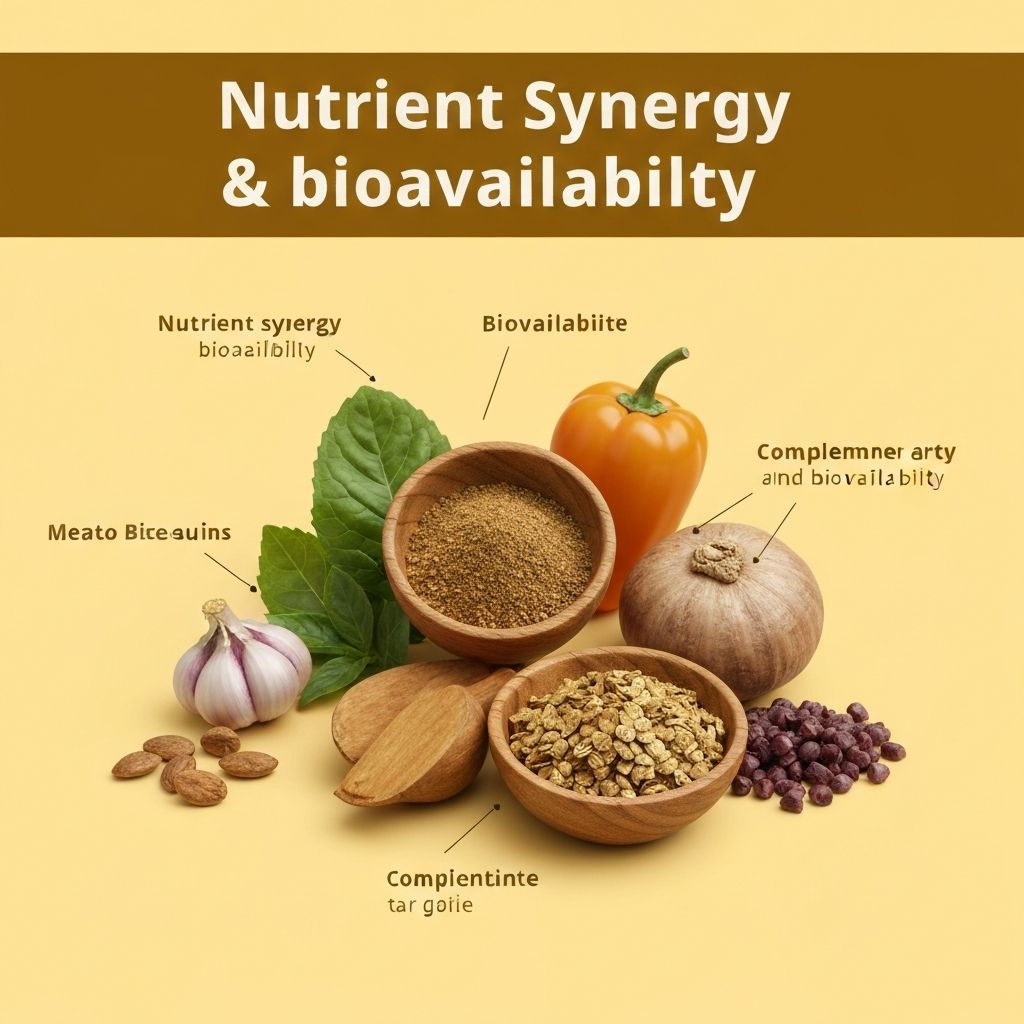
Nutrient Synergy
Nutrients function synergistically—fat-soluble vitamins require dietary fat for absorption; mineral absorption depends on adequate protein and stomach acid; phytonutrients enhance bioavailability of other compounds. Strategic food combinations maximize nutrient utilization and support comprehensive micronutrient status.
Elemental Reference Chart
This table presents select premium minerals and vitamins with their natural origins and foundational roles in human physiology. This information is provided for educational context only.
| Element | Natural Origins | Physiological Role | Context |
|---|---|---|---|
| Selenium | Soil-bound mineral, selenium-rich grains, seafood | Cofactor for glutathione peroxidase; antioxidant support | Supports cellular defense mechanisms |
| Vitamin E | Plant oils, nuts, seeds, leafy greens | Fat-soluble antioxidant; membrane protection | Supports cellular integrity and immunity |
| Vitamin A | Retinol (animal sources), beta-carotene (plants) | Vision, immune function, epithelial health | Essential for tissue maintenance and immunity |
| Coenzyme Q10 | Mitochondrial synthesis, organ meats, whole grains | Electron transport chain cofactor; energy production | Supports cellular energy generation |
| Zinc | Shellfish, beef, pumpkin seeds, legumes | Enzyme cofactor, immune signaling, protein synthesis | Supports immune function and protein metabolism |
| Magnesium | Leafy greens, nuts, seeds, whole grains | Muscle function, nervous system support, energy metabolism | Supports muscular relaxation and energy systems |
High-Altitude Plant Extracts
Alpine environments produce botanicals with unique phytonutrient profiles. These plants adapt to extreme conditions and have been traditionally valued across cultures.
Alpine Rhodiola
Rhodiola rosea, native to high-altitude regions, contains salidroside and rosavin compounds. Traditional use in Scandinavian cultures focused on stamina and resilience. Modern research explores its potential role in stress response modulation and fatigue resistance, though individual responses vary considerably.
Premium Ginseng
Ginseng, cultivated at high elevations, contains ginsenosides—complex saponins with diverse bioactivity. Historical use centered on vitality and endurance. Contemporary research investigates mechanisms including adaptogenic pathways and metabolic support, recognizing variable individual responses.
Mountain Arnica
Arnica montana thrives in alpine meadows and contains helenalin and other sesquiterpenes. Traditional application focused on musculoskeletal support. Modern understanding explores potential mechanisms of action in recovery protocols, though comprehensive clinical evidence remains developing.
Post-Intensity Recovery Framework
Recovery represents an active, structured process distinct from passive rest. Following intense physical exertion, the body enters an elevated metabolic state requiring specific interventions to optimize adaptation and restoration.
Active Rest Protocols: Low-intensity movement immediately post-exercise—walking, easy swimming, or mobility work—facilitates parasympathetic activation, enhances blood flow, and supports waste product clearance without imposing additional training stress.
Strategic Rehydration: Fluid replacement post-exercise restores blood volume, supports thermoregulation, and facilitates nutrient transport. Electrolyte inclusion (sodium, potassium) optimizes fluid retention and hydration status restoration.
Neural Reset: Breathing practices, meditation, or graduated stretching activate the parasympathetic nervous system, promoting hormonal rebalancing and psychological recovery. This neural downregulation is distinct from physical recovery but equally critical for comprehensive restoration.

Frequently Asked Insights
Premium nutrients function as cofactors and substrates for physiological processes. Vitamins, minerals, and phytonutrients support energy metabolism, immune function, and tissue integrity. Individual responses vary based on baseline status, dietary patterns, and lifestyle factors. This information is educational; personalized assessment requires professional consultation.
Sleep profoundly influences physiological processes including hormone regulation, immune function, cognitive performance, and metabolic efficiency. Consistent sleep-wake cycles, adequate sleep duration (typically 7-9 hours), and sleep quality directly correlate with daytime function. Sleep deprivation impairs performance across multiple domains.
High-altitude environments impose extreme conditions—variable oxygen, temperature extremes, intense UV exposure. Plants adapting to these conditions develop unique phytonutrient profiles and adaptive compounds. Alpine botanicals have been traditionally valued, though modern understanding of mechanisms and individual variation remains evolving.
Nutrient timing optimizes performance and recovery. Pre-activity nutrition provides energy and substrate availability; post-activity nutrition supports muscle protein synthesis and glycogen replenishment. However, overall daily nutrient intake and consistent dietary patterns often matter more than precise timing alone.
No. Nutrients support physiological function within healthy individuals but do not treat medical conditions. Medical concerns require professional evaluation and may necessitate pharmaceutical or clinical intervention. This platform provides educational information; personal health decisions should involve qualified healthcare providers.
Advanced Reference Directory
For deeper scientific exploration, these neutral resources provide peer-reviewed research and educational context on topics discussed throughout this platform.
Sleep Architecture & Recovery: PubMed Central offers peer-reviewed research on sleep physiology, circadian rhythms, and recovery mechanisms. The National Institutes of Health provides evidence-based sleep hygiene recommendations.
Nutritional Science: The American Journal of Clinical Nutrition and Nutrients journal publish research on micronutrient physiology, nutrient interactions, and dietary patterns. The Academy of Nutrition and Dietetics maintains evidence-based guidelines.
Botanical Research: Phytotherapy Research and the Journal of Ethnopharmacology examine traditional botanicals through modern scientific methodology, exploring mechanisms and bioactive compounds in alpine and traditional plant sources.
Exercise Physiology: The Journal of Strength and Conditioning Research and Sports Medicine publications examine adaptation, recovery, and performance enhancement through training and nutrition science.
Educational Notice & Context
This platform presents educational information on premium natural nutrients, sleep science, nutritional principles, and performance protocols. Content is informational only and does not constitute personal recommendations, medical advice, or treatment guidance. Individual responses to nutrients, practices, and protocols vary significantly based on genetics, existing health status, medications, and lifestyle factors. No claims of guaranteed outcomes, disease prevention, or therapeutic effects are made or intended. Consult qualified healthcare providers for personalized guidance, especially if managing health conditions or taking medications. This content remains neutral and evidence-informed while acknowledging the complexity of individual physiology.